OpenAI Codex API Integration in a CI Pipeline
The `codex exec` subcommand turns Codex into a scriptable automation tool for CI pipelines.
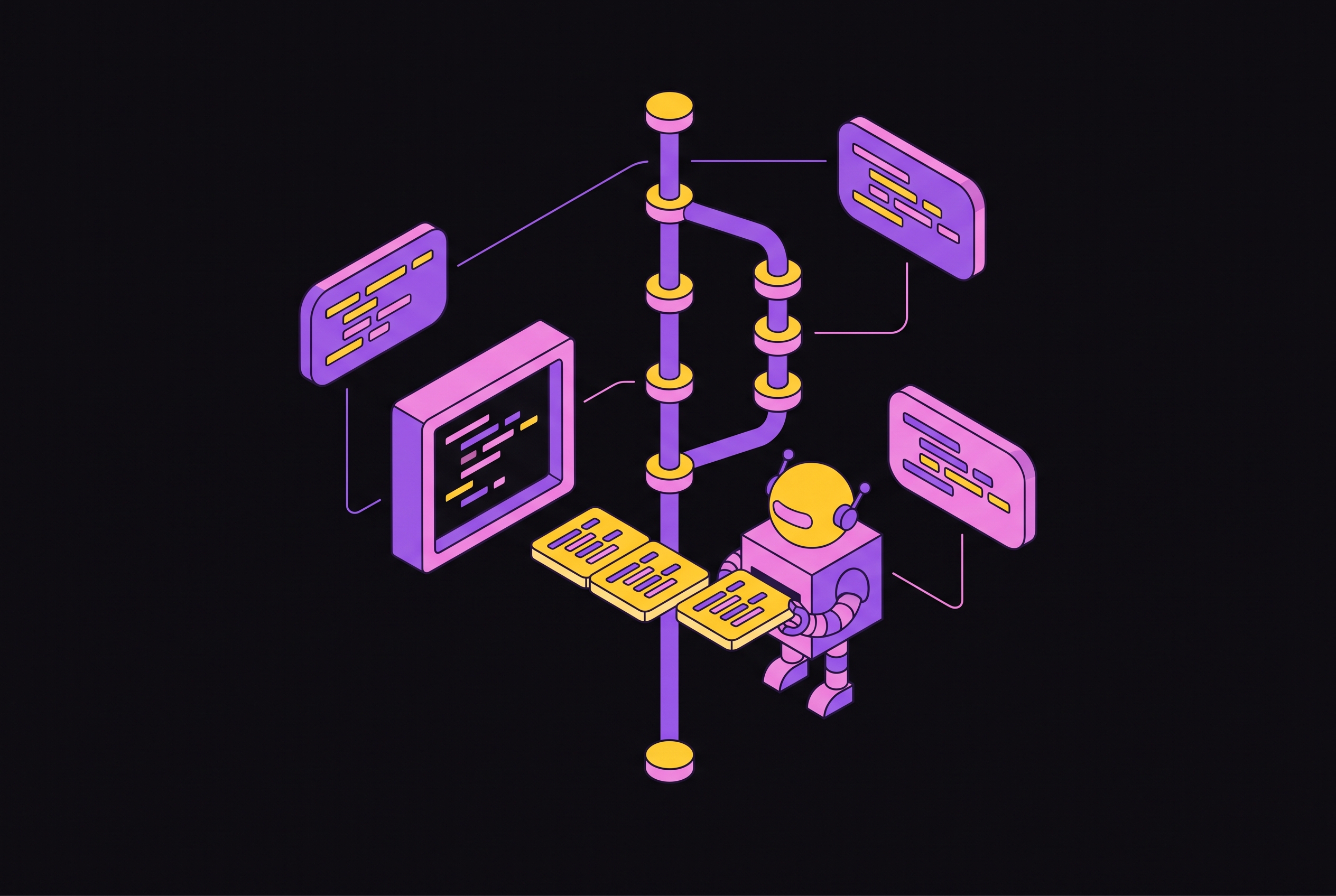
Codex CLI is a terminal-native, open-source coding agent that reads files, edits code across an entire repository tree, and runs shell commands on its own. OpenAI built and released it under the Apache 2.0 license, first on Node.js and later rewritten in Rust, and by March 2026 it had grown past 2 million weekly active users as OpenAI pushed it toward a broader enterprise agent platform. A single App Server sits underneath the web app, the CLI, the VS Code extension, the macOS desktop app, and third-party IDE integrations, so a long-running session or a pending approval request looks the same no matter which surface a person is working from. Codex was built from the start to run with nobody at the keyboard, and that non-interactive mode is not a hack someone layered on afterward; it's a core part of the design.
The non-interactive execution mode that makes automation possible
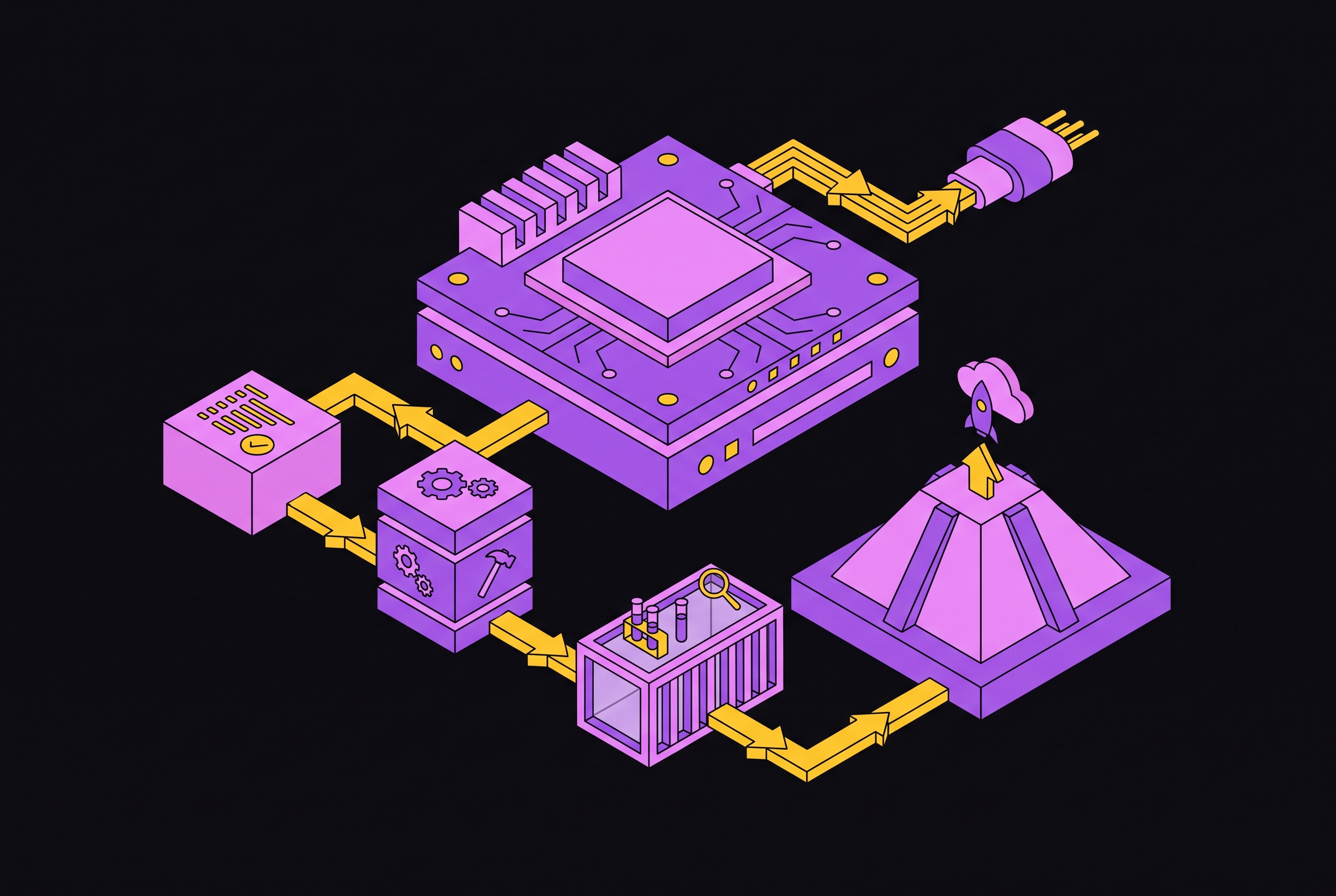
The capability that makes any of this possible is the codex exec subcommand, which turns Codex from something you talk to into something you call, the same way a build system calls a linter or a test runner. Alongside it sits the Codex app-server module; together, these two pieces are what convert a conversational agent into something scriptable and embeddable inside a pipeline. In exec mode, a task gets passed in as an argument, and the result comes back in a form a script can parse and act on, with no terminal session and no human watching a prompt scroll by. A CI step built around this mode looks, in outline, something like:
codex exec \
--sandbox workspace-write \
--prompt-file ./prompts/test-gen.md \
--output result.json
The command takes a prompt or a prompt file, an API key, an optional override for the responses-API endpoint, a sandbox level, and a safety strategy, all as arguments rather than as things typed interactively. The agent script that invokes Codex is typically a small Node program checked directly into the repository, and it needs no build step of its own, so it still runs even when the project's own build is broken.
Installing Codex CLI in a CI runner environment
Getting Codex CLI onto a CI runner takes one command: a global npm install. Whether the install is cached is what actually affects day-to-day pipeline performance. A workflow cache keyed on the specific OpenAI CLI version keeps cold starts under five seconds; skip that step, and every single run pays the full download and install cost again, which adds up fast across a team running dozens of pipeline executions a day.
The agent script that calls codex exec is kept deliberately simple. In the patterns documented for GitHub, this script lives under .github/scripts/ as plain JavaScript, with no TypeScript and no compilation step. Caching it correctly and keeping the invocation script free of its own build requirements make the integration fast and resilient instead of a slow, fragile afterthought.
Secrets management and API key configuration
The API key that authorizes Codex to call OpenAI's models needs to reach the process through the CI platform's own secret store, never through an environment variable typed inline into a workflow file or a shell script. Teams running against Azure OpenAI store the key as AZURE_OPENAI_KEY in the repository's secret store, and the job configuration references the gpt-5-codex model deployment name directly. For teams using OpenAI's own GitHub Action, openai/codex-action@v1, the action accepts the API key, an optional override for the responses-API endpoint, a prompt or prompt file, a sandbox level, and a safety strategy, all as configuration inputs to the action block.
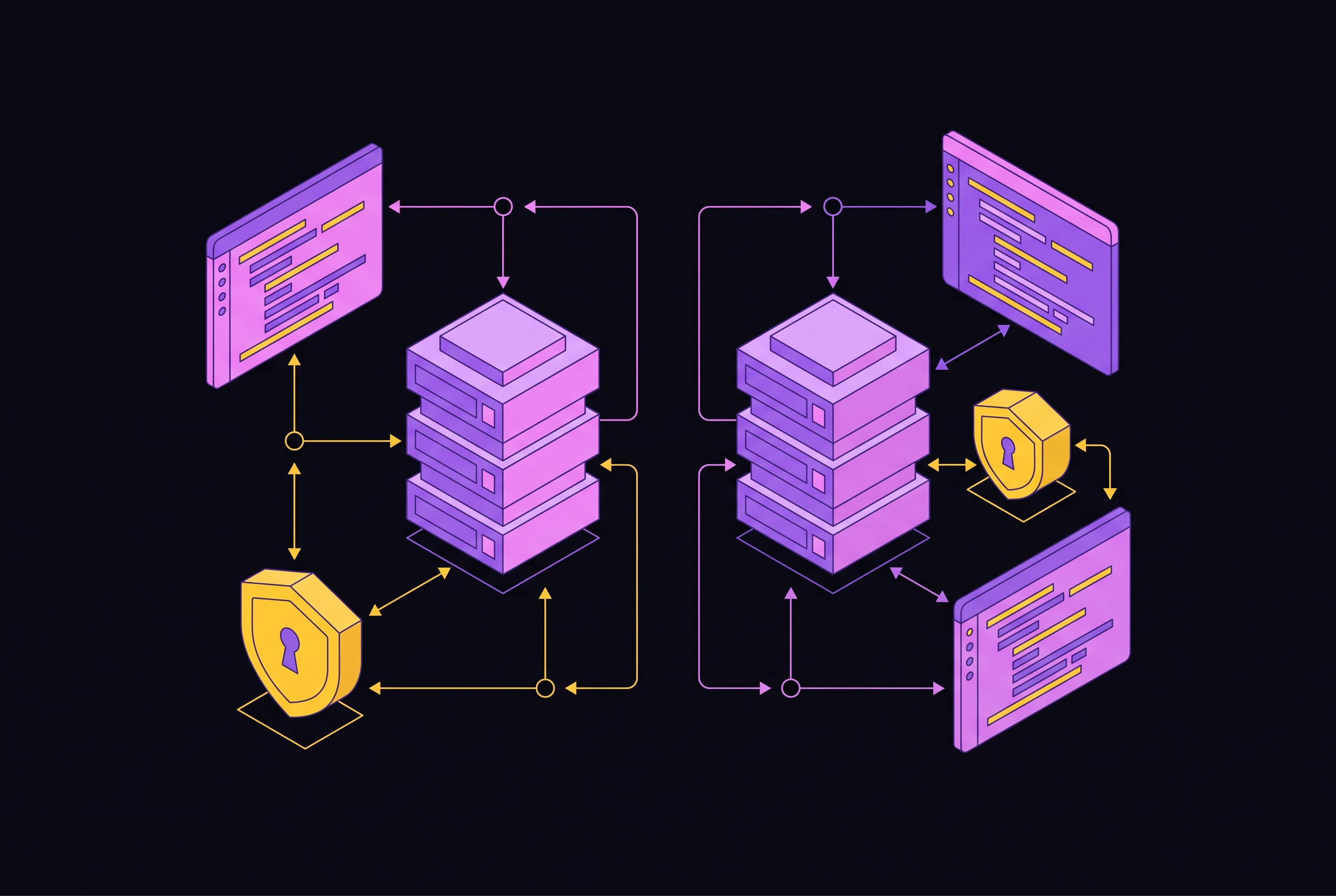
Beyond where the key lives, there's a narrower but important constraint on what the agent itself can see: the key needs to be isolated from the sandbox the agent operates inside, so Codex uses it to authenticate at the network boundary but never reads it as a value it can print, log, or embed in a file it writes. Treating an agent identity with the same restraint applied to a human identity, nothing more, nothing assumed, is the baseline the rest of this integration rests on.
Pipeline triggers: when to fire a Codex agent step
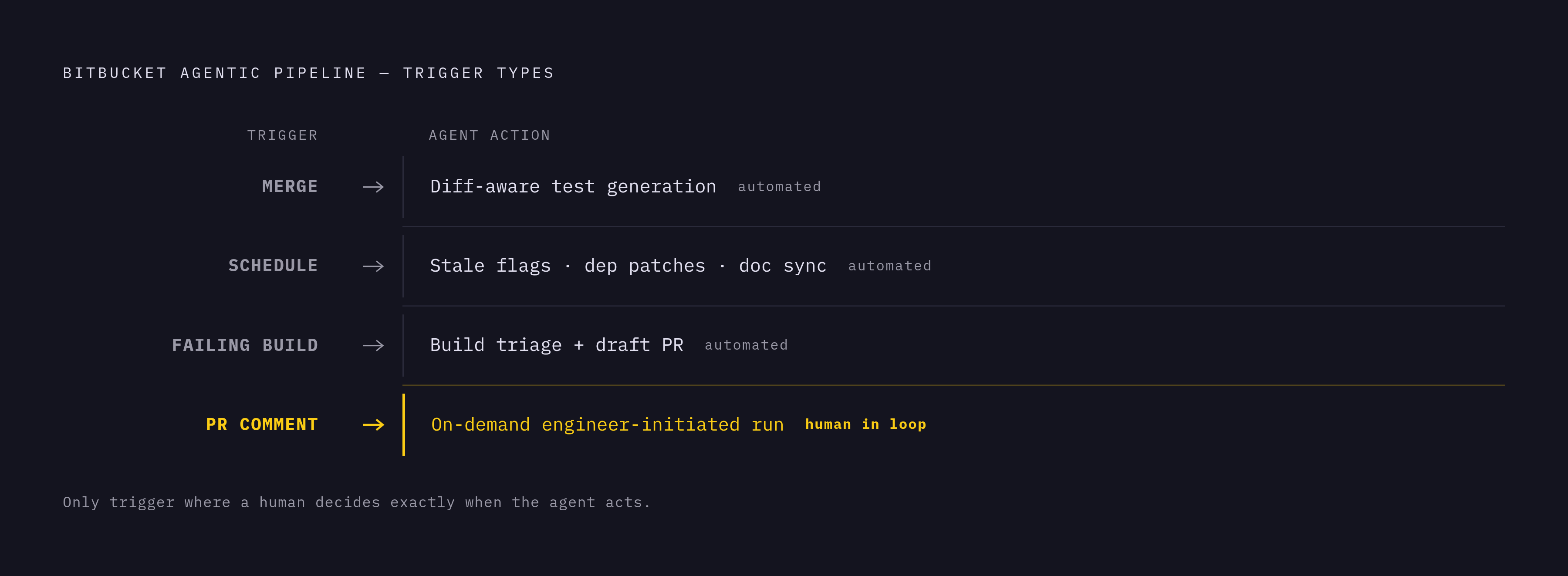
Once the runner is configured and the key is wired in correctly, the next decision is what event should actually kick off a Codex step, and that choice shapes far more than scheduling. Bitbucket's Agentic Pipelines, which added Codex support on June 25, 2026, offers four trigger types: a merge, a schedule, a failing build, and a pull request comment, and each one hands the agent a different starting point.
A trigger tied to a pull request being opened or updated gives the agent a diff to work from, which makes it the natural choice for generating tests or doing review triage. That step needs write:repository:bitbucket and write:pullrequest:bitbucket scopes, and should pull in extra history, for instance git fetch origin --deepen=200, so the diff parser has access to the base ref it needs. A scheduled trigger suits recurring maintenance work that has no natural event to hang off of: removing stale feature flags, opening routine dependency patch PRs, or syncing documentation after a deploy. A comment-based trigger lets an engineer call the agent on demand from inside a review thread, which keeps a human decision in the loop about exactly when the agent acts.
Bitbucket's YAML syntax reflects how deliberately this has to be set: adding Codex support to a pipeline step is a single keyword, provider: codex, and leaving it out means the pipeline falls back to Rovo Dev instead.
Sandbox configuration and the approval policy
Sandbox level and approval policy together set the blast radius of any single Codex step, bounding what it can touch on disk, over the network, and at the shell. One of those two settings was retired outright in August 2026. Any pipeline configured before that date on the old assumption is now broken and needs attention. Sandbox level is a parameter accepted both by codex exec directly and by the GitHub Action, and it governs filesystem scope, network access, and which shell commands the agent is permitted to run. Bitbucket's codex-config-overrides.toml file lets a team pin a specific model, tighten that sandbox further, or wire in additional MCP servers, all from configuration checked into the repository itself, with no need to touch anything outside the repo.
The breaking change: as of September 24, 2026, OpenAI retired the untrusted approval policy, in a change merged August 20, 2026. Codex and ChatGPT Work no longer accept approval_policy = "untrusted", and any pipeline that still sets that value explicitly will fail to start the client at all. Any team running Codex in CI since before that date needs to check its configuration for this setting and remove or replace it. The failure mode here is not a warning; it's a pipeline that won't launch.
There's a second, behavioral risk sitting next to the technical one. The fix for both problems is the same: enforce sandbox policy at the pipeline level, in configuration that's reviewed and versioned, rather than leaving it to whatever flag an individual engineer happens to pass on a given run.
Concrete pipeline patterns: test generation, build triage, and changelog updates
Three patterns cover most of what teams build first, and each one pairs a different trigger with a different prompt and a different way of checking the output before it ships.
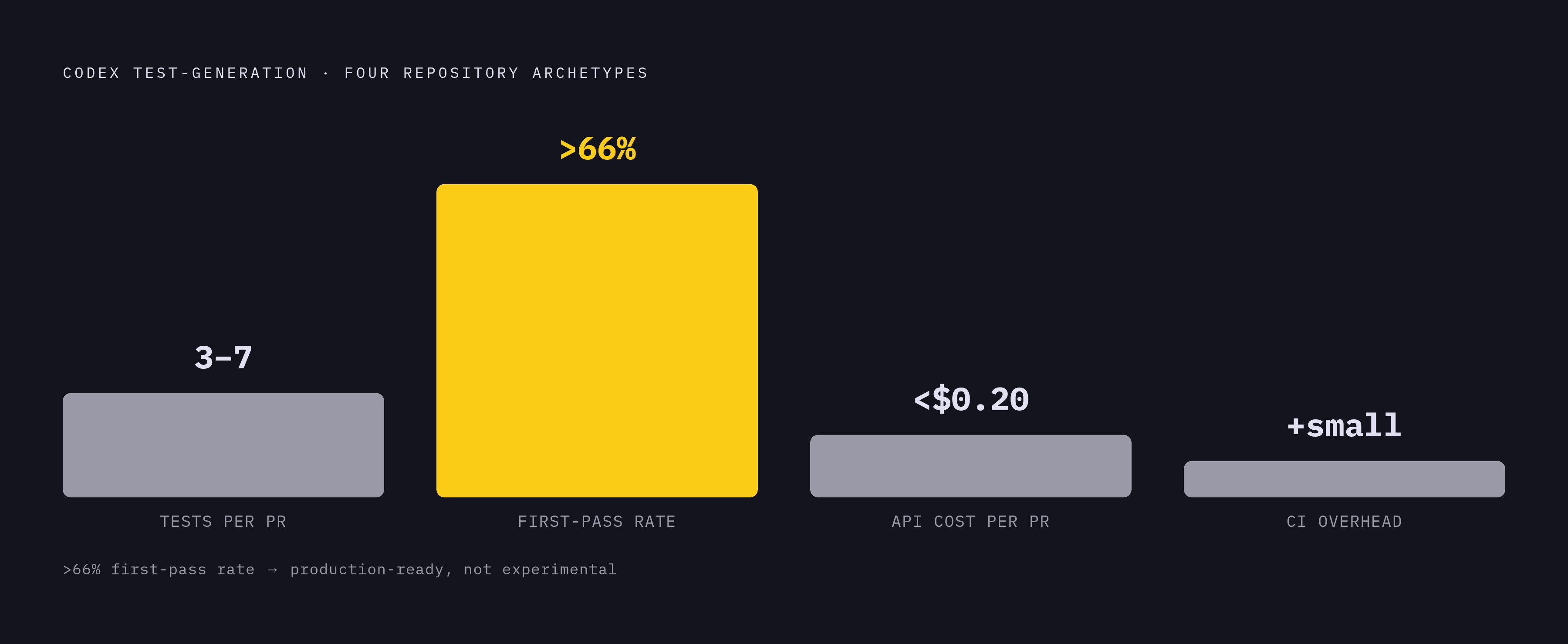
Test generation runs off a pull request trigger: the step parses every diff in the PR, finds newly exported functions that lack coverage, and asks Codex to write tests matching the repository's existing style. Measured across four different repository archetypes, Codex produced between three and seven tests per PR, with a first-pass pass rate above two-thirds, a cost under $0.20 per PR in API tokens, and only a small addition to overall CI run time. The detail that makes or breaks review acceptance is the prompt itself: it needs to include three existing tests as concrete style examples, covering describe blocks, the assertion library in use, and mocking patterns, because a style mismatch between generated and existing tests is the single biggest reason reviewers reject generated tests. Tests get committed back through github-actions[bot] so author blame stays clean, and bot commits can be auto-folded in the review interface so they don't clutter the diff a human actually reads. None of this should ever block a merge: any timeout, rate limit, or malformed output from Codex needs to let the PR through with a comment attached rather than a failing check, because a blocked PR is a worse outcome than a missing test.
Build failure triage fires on the failing-build trigger and hands the agent the build log directly, with a prompt asking it to investigate the failure, find the root cause, apply a fix, and open a draft pull request with the change. The agent reads the log, edits the relevant files, and opens that PR in draft status specifically so a human reviews it before anything merges. Because the agent script itself needs no build step, it keeps running even when the project's own build is the thing that's broken.
Changelog updates run on a post-deploy or scheduled trigger. Teams on Azure OpenAI store the key as AZURE_OPENAI_KEY and reference the gpt-5-codex deployment in the job, with a prompt asking Codex to review what merged into main and update the README, the API docs, and the changelog to match what actually shipped. The commit-back pattern and the fail-open rule both carry over unchanged from test generation.
Atlassian also documents patching security vulnerabilities, reading a Snyk report and applying safe dependency upgrades and code changes one at a time, with a separate PR opened per fix, as well as cleaning up stale feature flags and triaging and labeling new pull requests as further use cases.
Security risks that are specific to running Codex in CI
Codex running inside a pipeline faces a different threat model than Codex running on an engineer's own laptop, because the pipeline operates unattended, holds access to repository secrets, and can open pull requests with no human prompting it in the moment. The agent reads the repository, edits files across the entire tree, runs shell commands, and opens pull requests on its own, a combination of permissions no IDE assistant has ever held.
Two disclosed vulnerabilities show what that surface looks like in practice. CVE-2025-59532 was a sandbox escape in which Codex's own output could redefine the boundary of its own sandbox, letting the agent write to locations outside the workspace it was meant to be confined to, because the layer meant to control the agent accepted instructions from the very agent it was supposed to be controlling. Separately, a branch-name injection vulnerability let a maliciously crafted GitHub branch name inject arbitrary commands into Codex's cloud task containers and pull out GitHub authentication tokens, turning ordinary repository metadata into an attack payload; OpenAI patched it by February 2026, with the vulnerability disclosed publicly in March 2026.
OpenAI's own response has been to apply the same least-privilege discipline to agent identities that security teams already apply to human ones: scope repository permissions tightly, keep secrets isolated from the sandbox, and log every action for audit. In March 2026, OpenAI introduced Codex Security, an application-security agent built to find and fix software vulnerabilities, positioned as an auditor running inside the same pipeline where Codex writes the code in the first place. They are what separates an integration that's genuinely production-ready from one that happens to work until the day it doesn't.
A production-ready Codex CI integration end to end
A Codex integration that's actually ready for production ties every layer covered above into one coherent chain rather than treating each as a separate checkbox. The runner installs Codex CLI once and caches it against a pinned version string, so cold starts stay under five seconds on every run. The API key lives in the platform's own secret store, named to match whichever endpoint is in use, and never touches the sandbox the agent executes inside. Triggers are matched deliberately to context: PR events for diff-aware work like test generation, failing-build events for triage, schedules for recurring maintenance, and comment triggers for on-demand runs an engineer calls up directly. Sandbox level and approval policy are set and enforced at the pipeline level, with the retired untrusted setting removed from anything configured before its deprecation, and no team has let approval friction quietly drift into a blanket auto-approval nobody actually chose. Output is fail-open by default, a timeout or a malformed response lets the surrounding PR or pipeline proceed with a comment rather than a hard failure. And the whole system assumes, correctly, that an agent with this much reach needs the same scoped permissions, isolated credentials, and full audit trail that any human with commit access would be required to have. Put together, that's infrastructure, not a demo of what Codex can do in a terminal.
Sources
- Codex CLI: OpenAI's Open Agent Harness — Installation, Commands, and CI Integration
Identified the app-server module that converts Codex from a conversational agent into a scriptable pipeline component.
- OpenAI Codex (AI agent)
Provided details on the retired untrusted approval policy, the sandbox escape CVE, and the March 2026 introduction of Codex Security.
- Agentic Pipelines now supports OpenAI Codex - Inside Atlassian
Provided details on Bitbucket's Agentic Pipelines Codex support, the four trigger types, required OAuth scopes, the provider keyword, and documented use cases like security patching and PR triage.
- Build a Codex Test-Generation Pipeline: 2026 Tutorial
Supplied the concrete test-generation metrics: 3–7 tests per PR, first-pass pass rate, sub-$0.20 cost, and the cold-start caching benchmark.
- Non-interactive mode
Documented the codex exec subcommand interface including prompt-file, sandbox level, and safety strategy arguments used in the article's pipeline examples.
- Codex GitHub Action
Described the openai/codex-action@v1 GitHub Action and its accepted configuration inputs including API key, endpoint override, prompt file, sandbox level, and safety strategy.
- Use Codex CLI to automatically fix CI failures
Documented the build failure triage pattern in which Codex receives a build log, investigates the root cause, and opens a draft pull request with a fix.